From a Dancer's Diary #12 — When the Song Changes Mid-Dance: Adapting Without Losing Your Frame

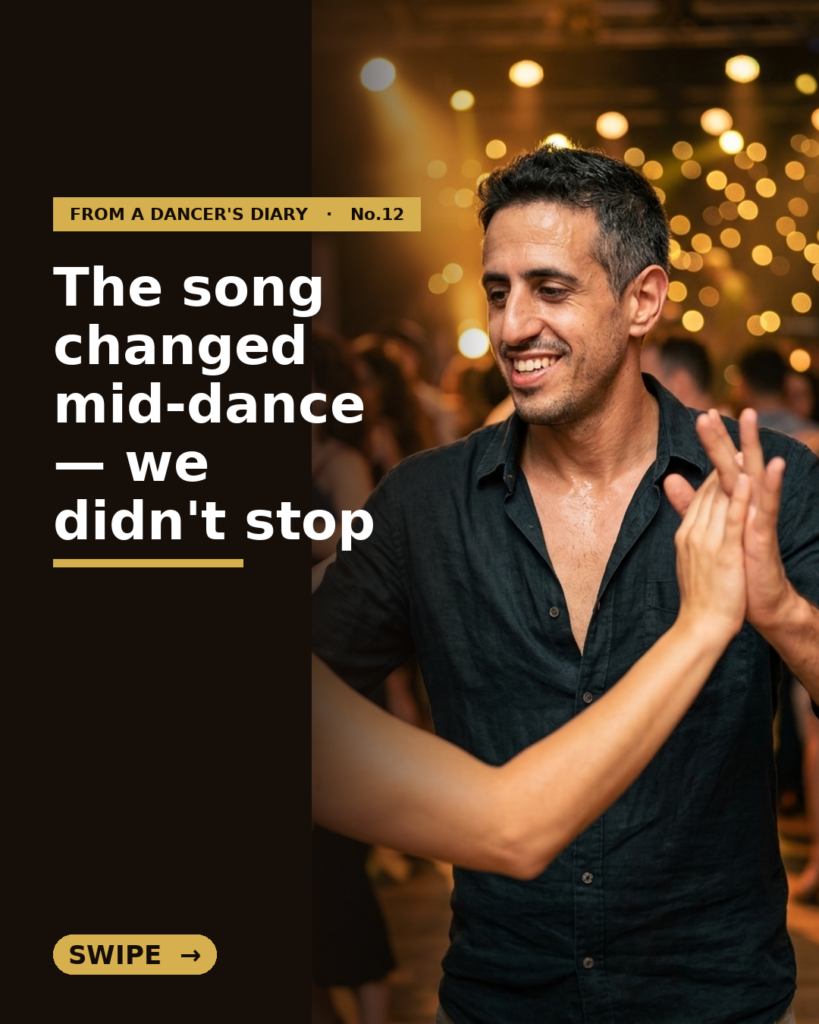
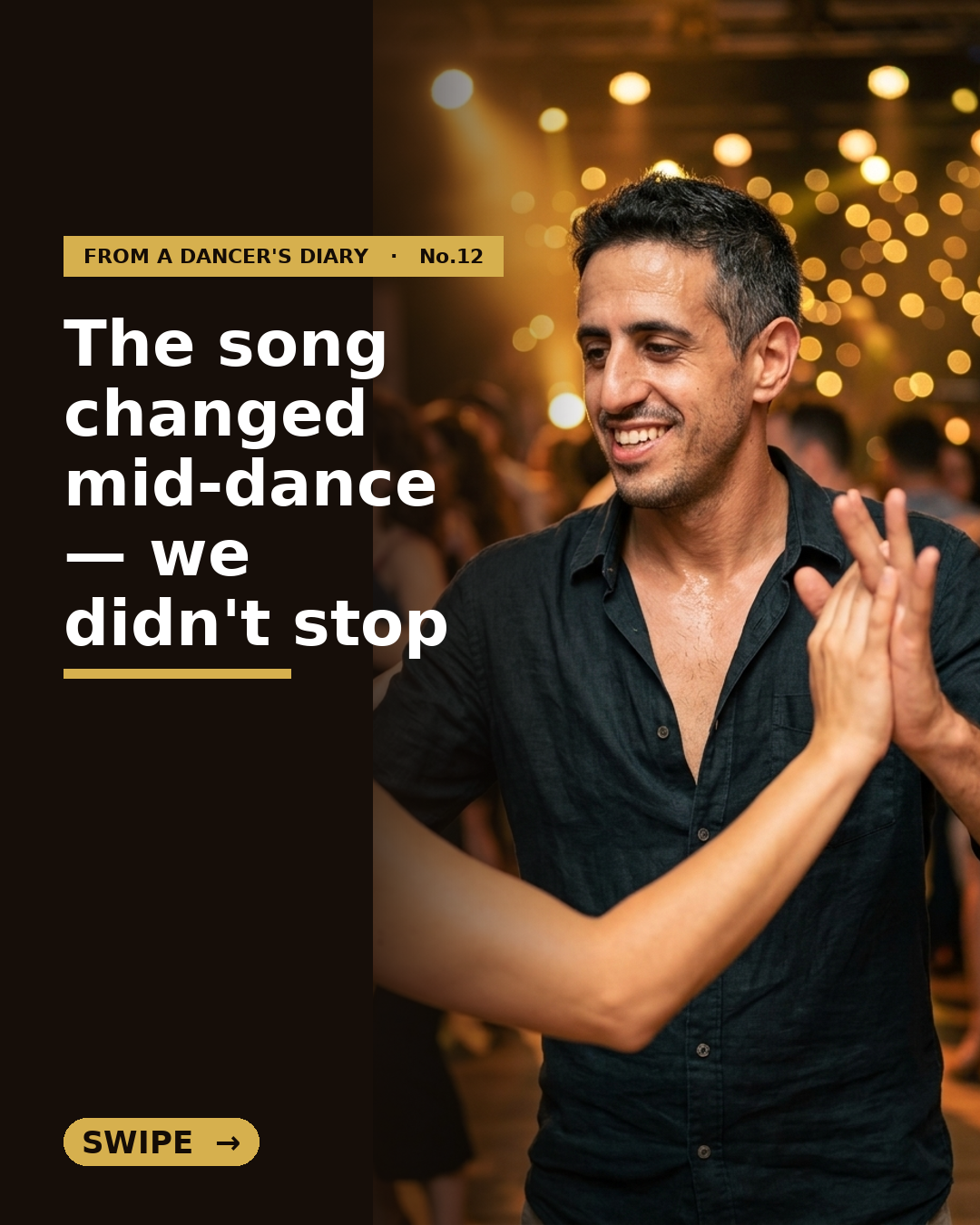
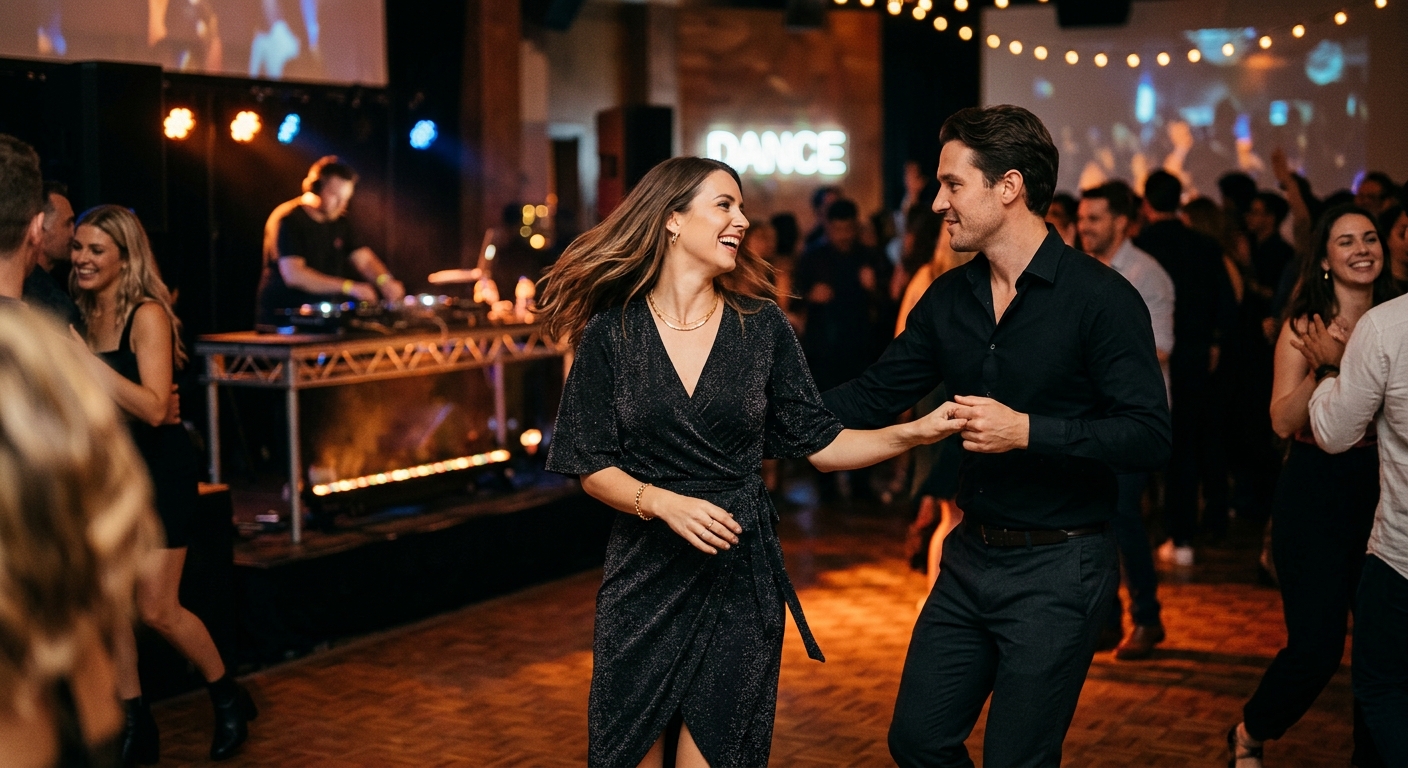
It happened on a Thursday night, mid-social, at our studio in Rosh Pina. Julia and I were three-quarters through a smooth, sensual bachata track when the DJ — mid-transition, testing a new set — cut into something with double the tempo and a completely different accent. No warning. The floor around us stumbled. A few couples stopped altogether, laughing, waiting for the "real" song to come back.
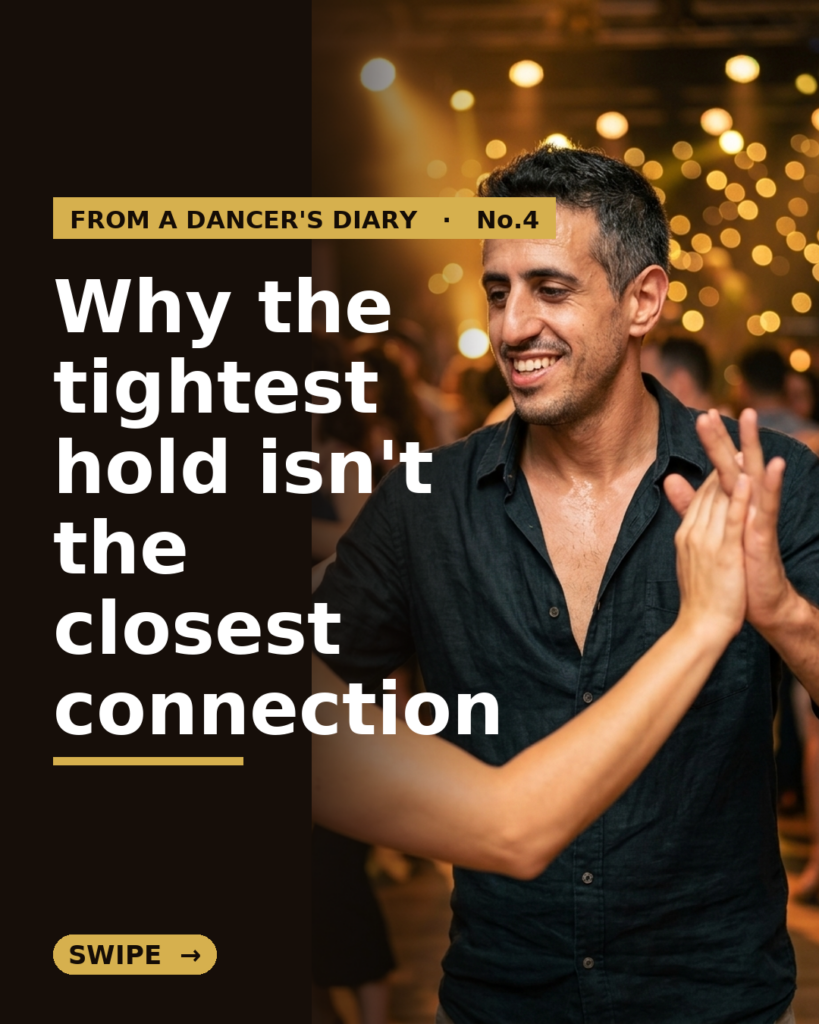
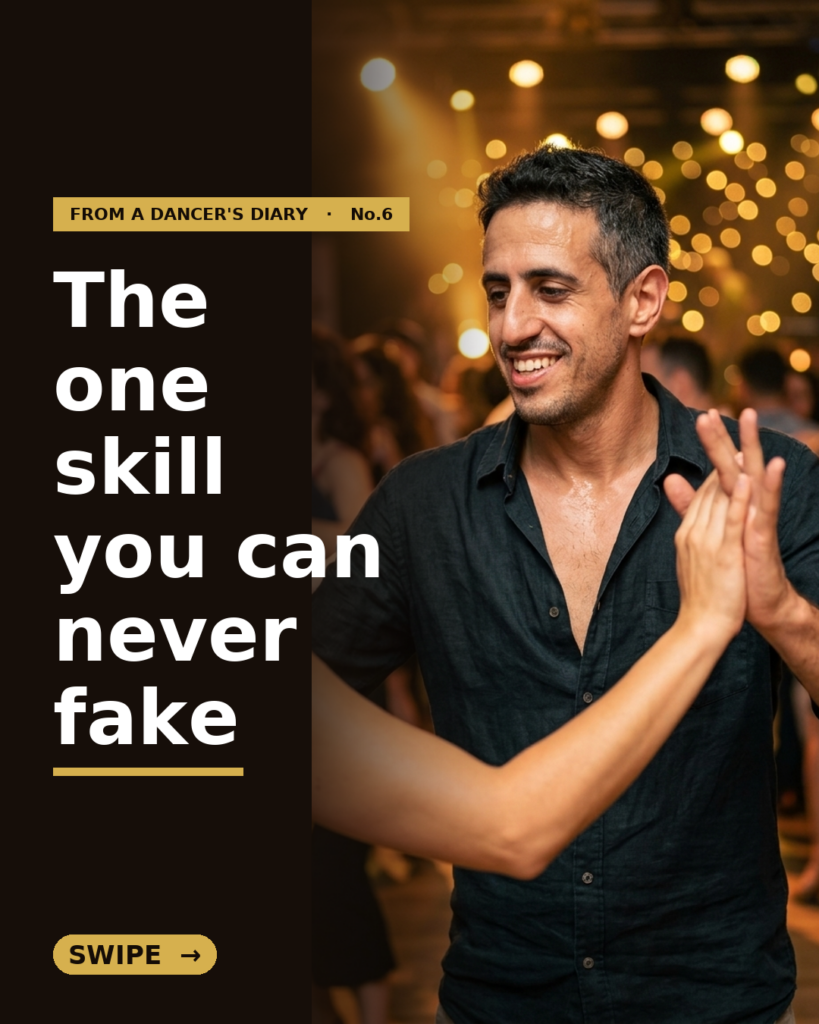
We didn't stop. Our frame held, our connection stayed, and within four counts we found the new rhythm inside the same embrace we'd started with. Nothing about our hold broke. Only the timing, the energy, the phrasing — all of that shifted. The frame itself never moved.
That night stuck with me, because it's exactly the difference between rigidity and structure, and I don't think enough people know the difference — on a dancefloor or in a boardroom.
The Frame Is Not the Plan
New dancers often confuse "having frame" with "having a fixed shape." They learn a hold, they learn a step pattern, and they treat both as sacred, unchangeable things. So when the music shifts — a DJ changes tempo, a live band takes a bridge somewhere unexpected, a partner suddenly leads a different combination — the whole structure collapses. Not because the frame was weak, but because they thought the frame *was* the pattern.
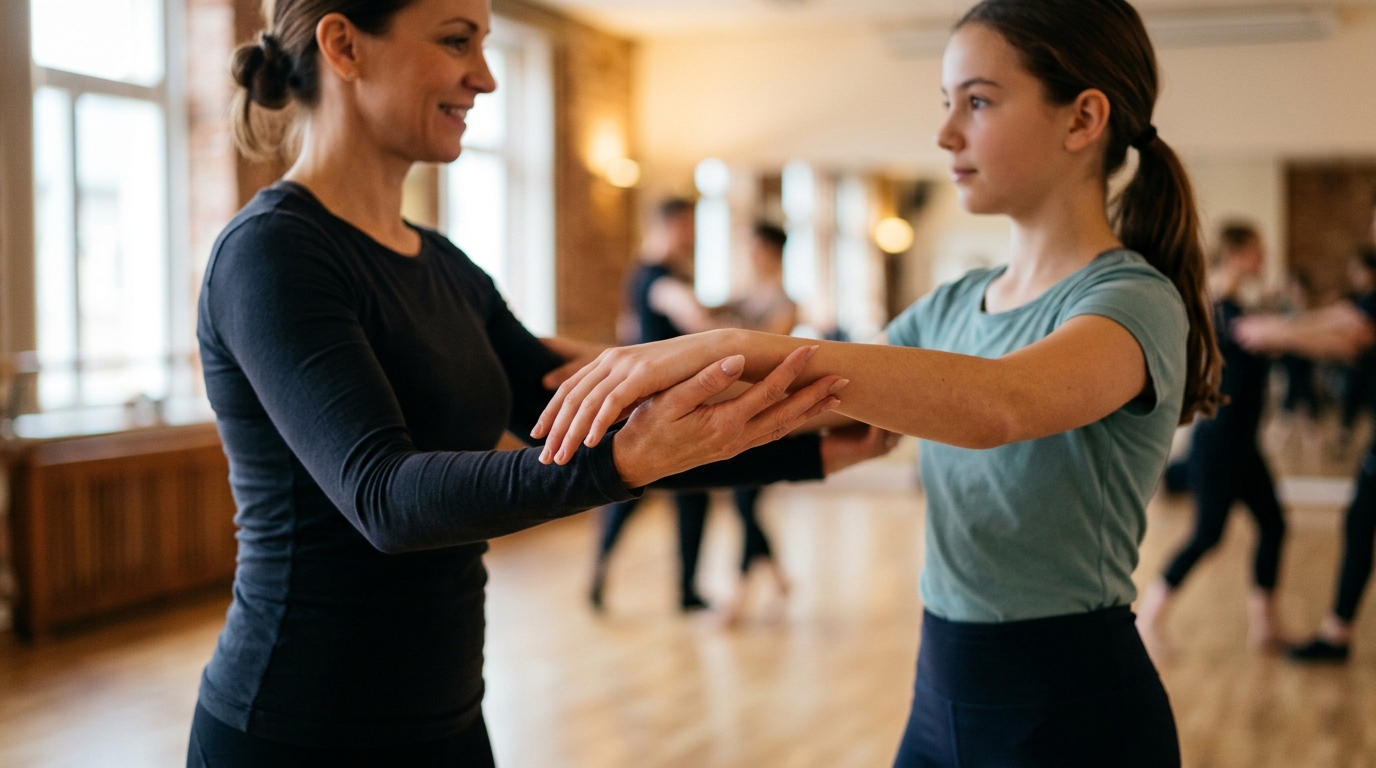
It isn't. The frame is the relationship between two bodies: the tension, the trust, the channel of communication running through connected hands and shifting weight. The pattern is just one sentence spoken in that language. When the song changes, you don't need a new relationship. You need a new sentence.
I see this constantly teaching beginners. Around week six of a bachata course, students finally get comfortable with a handful of moves. Then I'll ask the DJ to throw in a track with a syncopated break, or I'll change the counting mid-exercise. Panic. Hands tighten, frames stiffen, eyes drop to the feet. The instinct is to grip harder — as if a tighter hold will somehow stabilize an unstable moment. It's the opposite. A death-grip frame breaks faster than a supple one, because it has no give left when the real disruption comes.
What Actually Holds When Things Shift
What holds isn't stiffness — it's tone. In dance we talk about "elastic connection": enough tension to feel your partner's intention a half-second before it becomes movement, enough softness to absorb a surprise without snapping. That elasticity is trained, not accidental. It comes from hundreds of hours of small adjustments, of following imperfect leads, of leading through hesitant follows, of staying present when a step goes sideways.
I built the UNO Festival on a version of this same principle. Bringing together the Latin-dance community across northern Israel — dozens of teachers, hundreds of dancers, multiple styles, different expectations of what a "workshop" or a "social" should look like — meant the plan was going to change. It always does. A headline instructor's flight gets delayed. A venue's sound system fails two hours before doors open. The schedule I write in March is not the schedule that runs in October.
What holds the festival together isn't the schedule. It's the frame underneath it — the relationships with venues, the trust of the teaching team, the community's shared understanding of why we're all there. When something shifts, and something always shifts, we don't rebuild the frame. We just dance a different sentence inside it.
The Boardroom Has the Same Music
I've watched this exact dynamic in cybersecurity governance more times than I can count. A client brings me in to run a NIST-based risk assessment, we map the roadmap over eight months, everyone signs off — and then three weeks in, a regulator publishes new guidance, or a breach at a competitor changes the board's entire risk appetite overnight. The music changed mid-song.
Organizations that treat their security program as a fixed pattern — a checklist executed step by step — freeze exactly like the beginner dancers do. They grip harder on outdated controls, insist on finishing the original plan as written, and lose four to six weeks re-litigating decisions that the moment has already outrun. I've seen a bank spend an entire quarter debating whether to "stick to the roadmap" while a live exposure sat unpatched, because the roadmap had become the goal instead of the tool.
The organizations that adapt well have the same quality Julia and I had that Thursday night: the frame — governance, communication lines, trust between security and the business, a Zero Trust posture that assumes change — was never the specific plan. It was the relationship that let a new plan emerge fast, inside the same structure, without anyone needing to renegotiate who's in charge or what matters.
Practical Takeaways
- Separate the frame from the pattern. Know explicitly what's structural (trust, communication, roles) versus what's tactical (the specific step, the specific plan) — so when the tactical breaks, the structural doesn't.
- Train elasticity, not rigidity. Practice absorbing small surprises deliberately — a changed count, a sudden pivot — so your instinct under real pressure is to soften and adjust, not to grip.
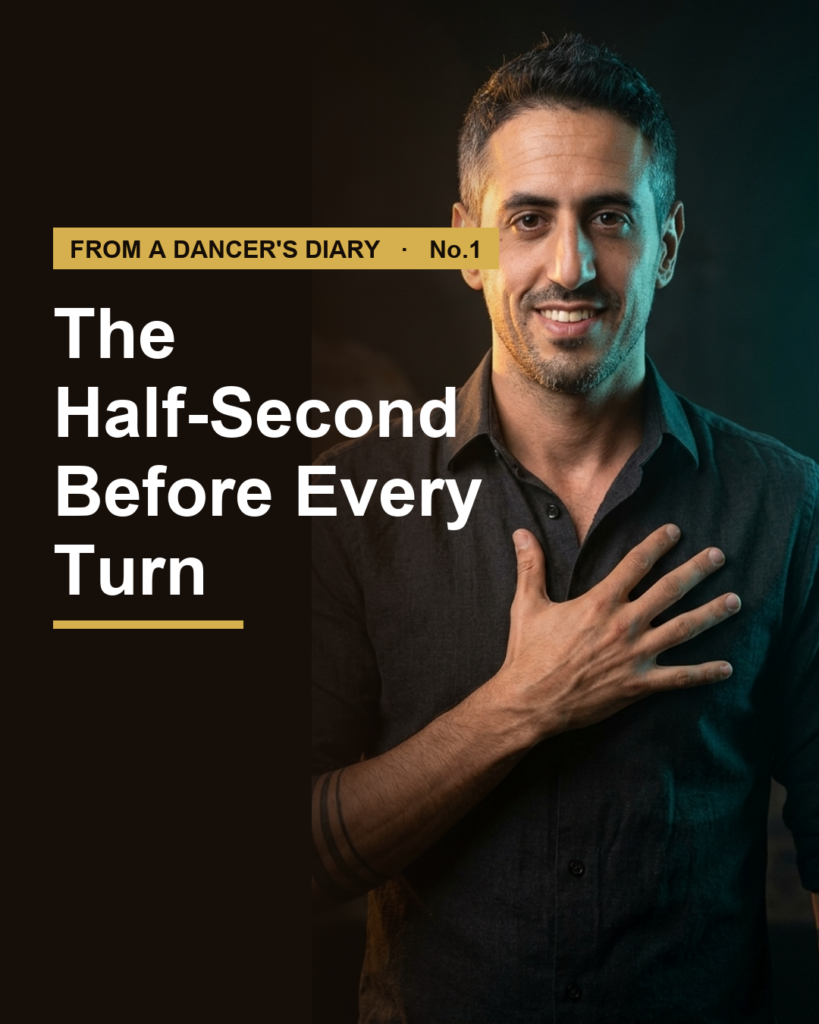
- Feel the shift before you react to it. The half-second of awareness before a change fully lands is where good adaptation happens; panic collapses that window entirely.
- Judge the frame by what survives disruption, not by how well it followed the plan. A good frame is proven exactly when the song changes — not before.
Back to the Dancefloor
By the end of that unexpected fast track, most of the floor had found its footing again — a little breathless, mostly smiling. Julia and I settled back into the slower groove when the DJ corrected course, and nothing about our hold had ever needed to change. Only the sentence we were dancing had.
That's the whole lesson, really. The song will change. It always does — on the floor, at the festival, in the boardroom. What matters is building a frame strong and soft enough to hold you through the surprise, so you never have to choose between adapting and staying yourself.
If you want to build that kind of frame — the elastic, trustworthy kind that holds no matter what the music does — come find us at Cyber Dance in Rosh Pina. We teach beginners from the very first step, and our weekly socials are exactly where this lesson gets tested, gently, in real time. Reach us at +972-50-2020086, follow @cyber.dance.il on Instagram, or join a class here: https://edu.cyber-school.co.il/dance/.
Want to dance? Cyber Dance — a Latin dance school in Rosh Pina, Israel. Workshops & courses for every level · +972-50-2020086 · join here · IG @cyber.dance.il.