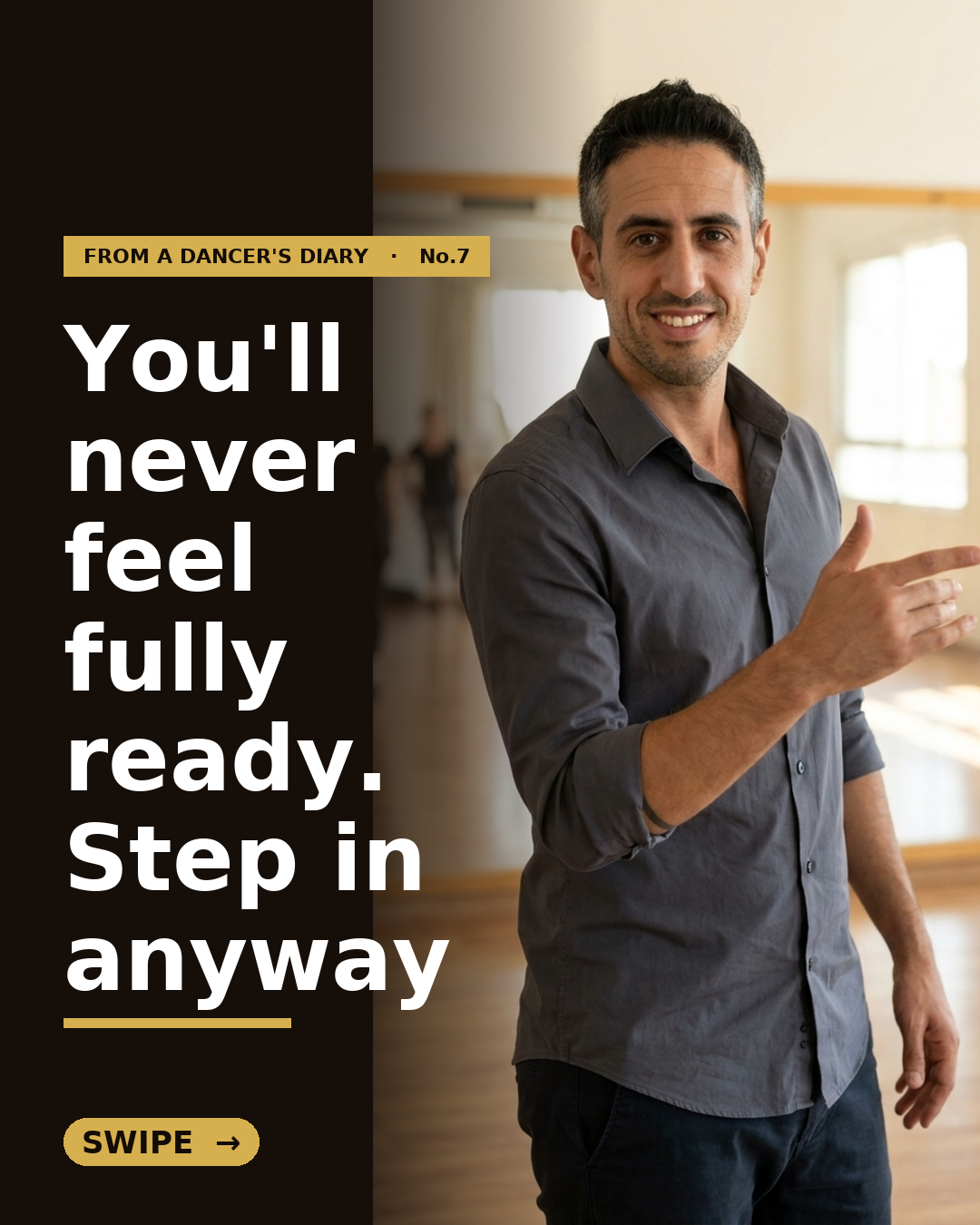
From a Dancer's Diary #7 — The Beginner's First Social: Stepping Onto the Floor Before You're Ready

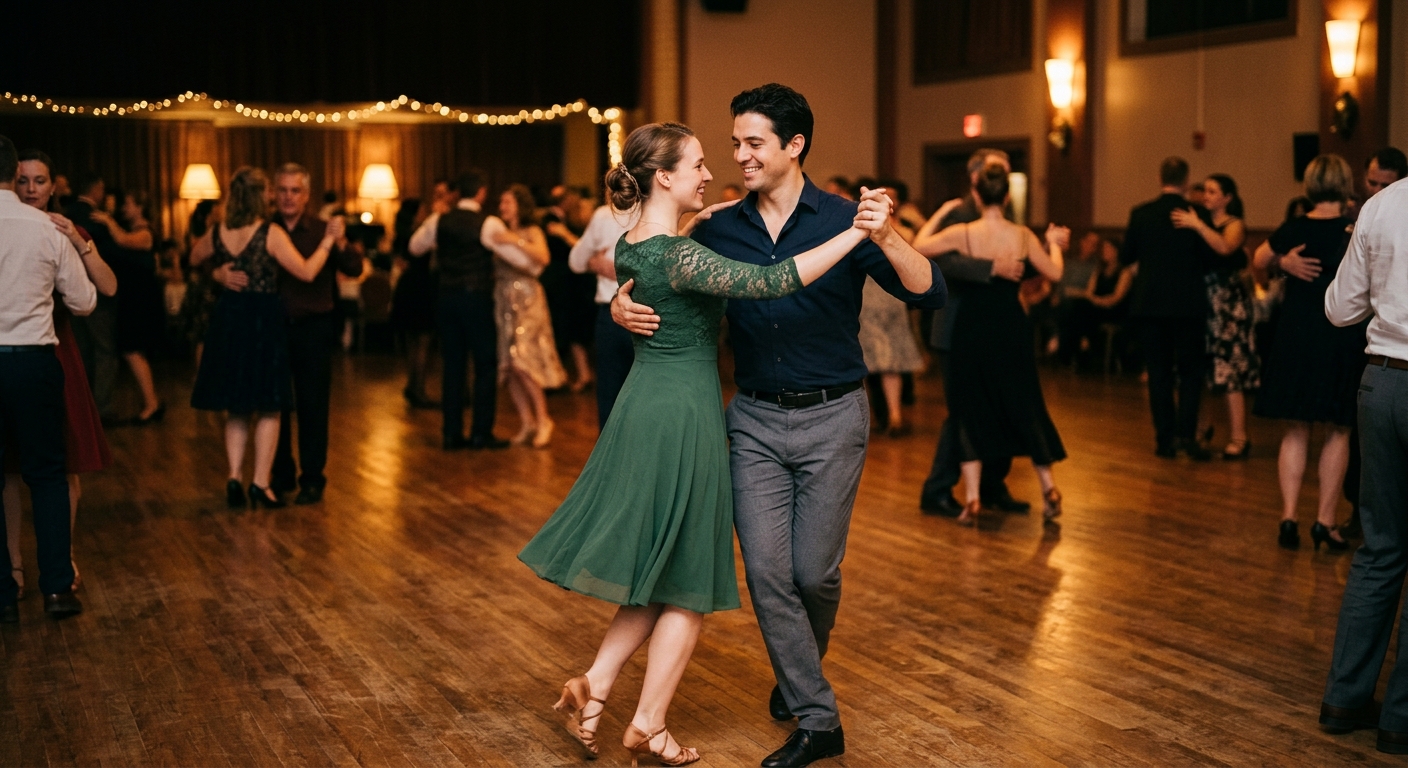
She stood by the wall for forty minutes. Full class behind her, four weeks of steps, turns, body waves — and still, when the music started for the social, she didn't move. I watched her hands grip the strap of her bag like it was a life vest.
Her name was Noa. She'd come to Cyber Dance on a Thursday for the beginner course, and by the fourth week she could follow a basic bachata pattern cleanly, with timing, with a little softness in her frame. But a class is safe. A social is not. A social has real people, real eye contact, a real "yes" or "no" that has to be asked and answered in seconds.
I finally walked over, not to pull her in, but to stand beside her and watch the floor with her for a minute. Then I asked, quietly: "Do you want one dance, or do you want to leave tonight wondering what would've happened?" She exhaled, put the bag down, and stepped in.
The Myth of "Ready"
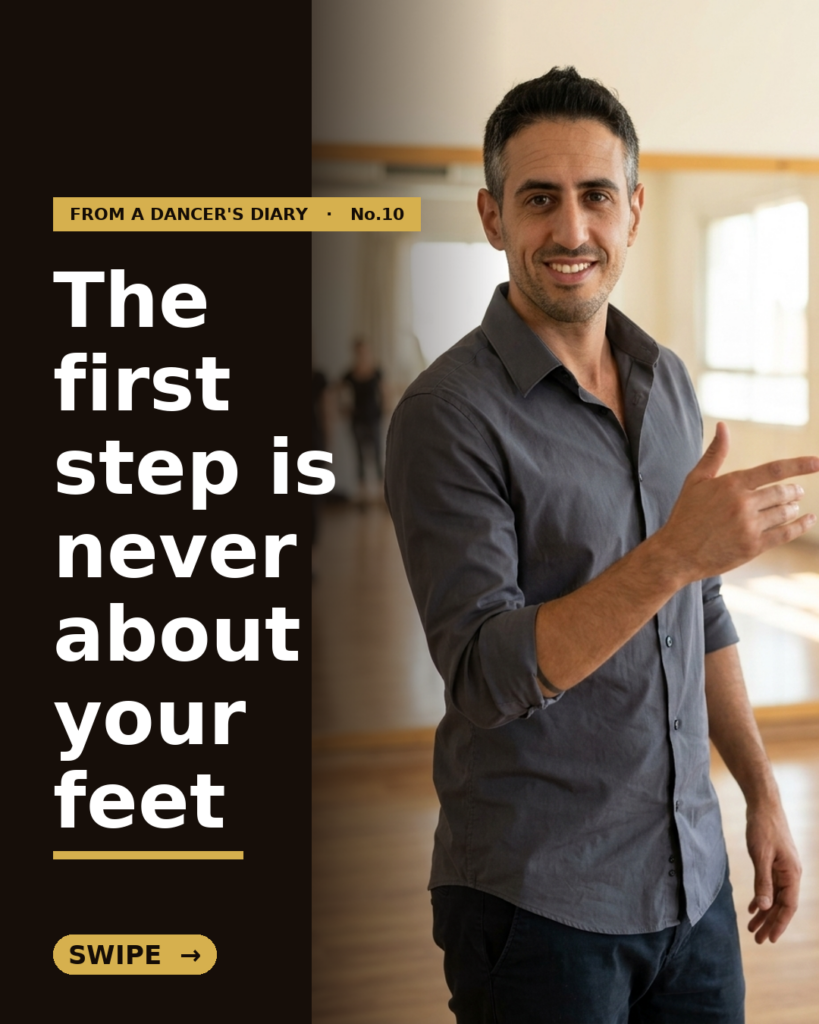
Here's what nobody tells beginners: you are never fully ready for your first social dance. Not after four weeks, not after four months. Readiness isn't a finish line you cross — it's a feeling you generate by moving despite its absence. I've taught hundreds of first-timers at our weekly socials in Rosh Pina, and the ones who wait for the fear to disappear before stepping in usually wait for years. The ones who dance anyway, shaking hands and all, are dancing confidently within a season.
This isn't unique to bachata. I see the same paralysis in boardrooms. In my cyber work — presenting a Zero Trust roadmap to a bank's risk committee, or standing in front of executives during a CAIO session explaining the EU AI Act — the room is never fully "ready" either. There's always a gap in the data, a slide you'd have liked more time to polish, a question you haven't rehearsed an answer for. You present anyway, because the value isn't in perfection — it's in showing up prepared enough, and honest about the rest.
What the Floor Actually Asks of You
A social floor doesn't ask for skill first. It asks for two much simpler things: attention and consent. When you invite someone to dance — and in our world, leading is an invitation, never a command — you're not demonstrating mastery. You're offering presence. The follower isn't grading your footwork on entry; she's sensing whether you're actually there with her, in the music, in the moment.
I remind every beginner of this before their first social: nobody on this floor is looking for the "correct" step count. Sensual bachata, at its heart, runs on connection — elastic tension, a body wave, a shared breath before a turn. A beginner who moves with honest, present attention will always feel better to dance with than an advanced dancer performing on autopilot.
The Cost of Waiting Too Long
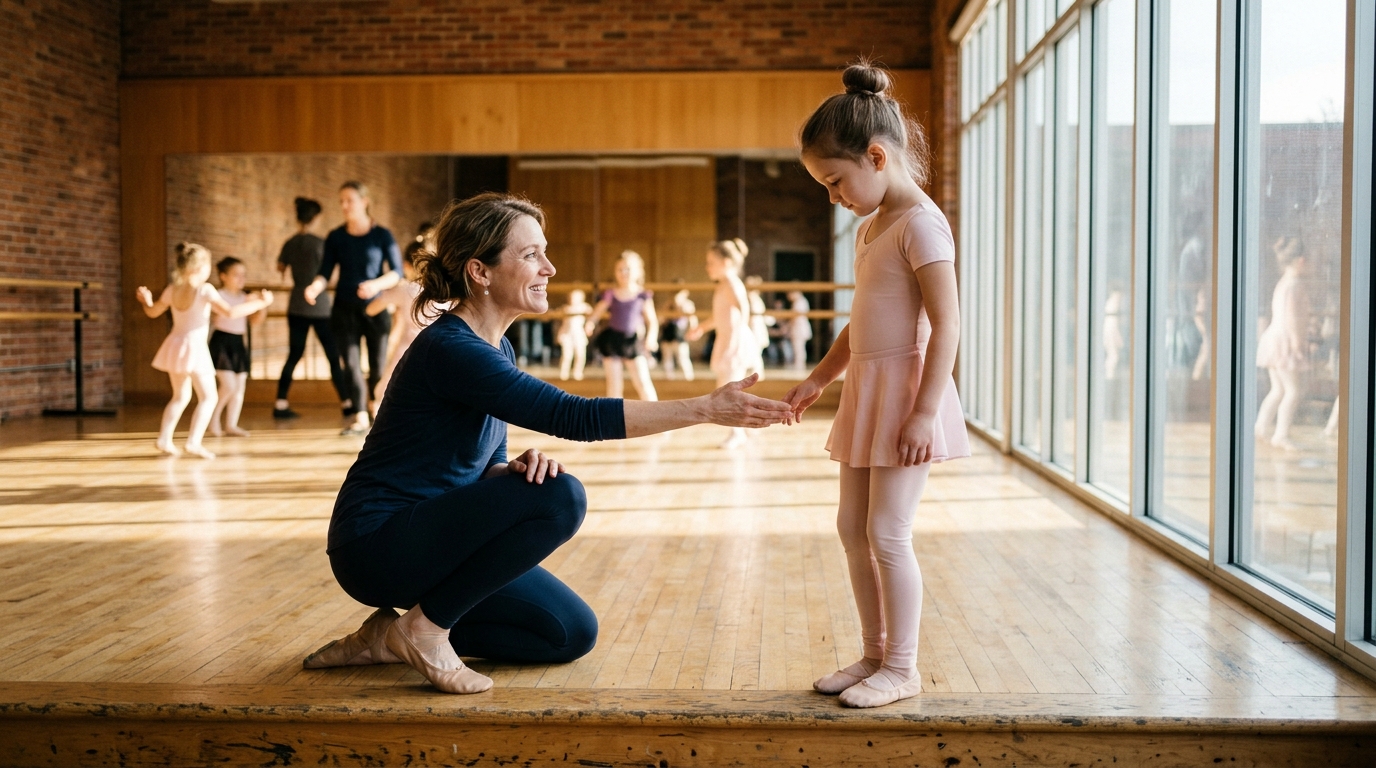
I've seen the opposite story too often. A student trains for a year, becomes technically strong in the studio, but never crosses into the social floor because the fear compounds — the longer you wait, the bigger the imagined stakes become. By month twelve, the first dance feels like an exam instead of an invitation. That's a heavier door to open than it needed to be at week four.
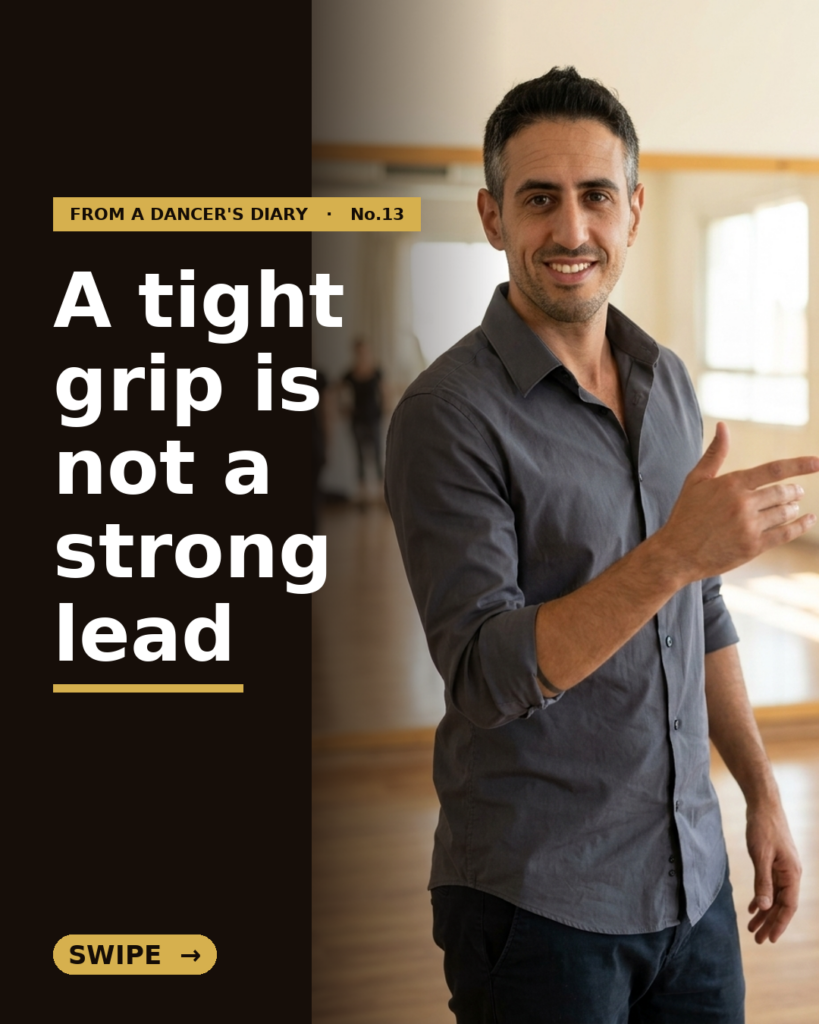
The same pattern shows up in careers. I've met cybersecurity analysts who could pass any technical exam but froze the first time they had to brief a CISO or a board — because they'd delayed that first real-stakes conversation until it felt enormous. In my ISC2 CISSP instructor sessions, I tell candidates the same thing I tell Noa: certification proves knowledge, but the first time you speak up in a live risk meeting is its own separate skill, and it only gets built by doing it — imperfectly, early, and often.
Building the UNO Festival on the Same Principle
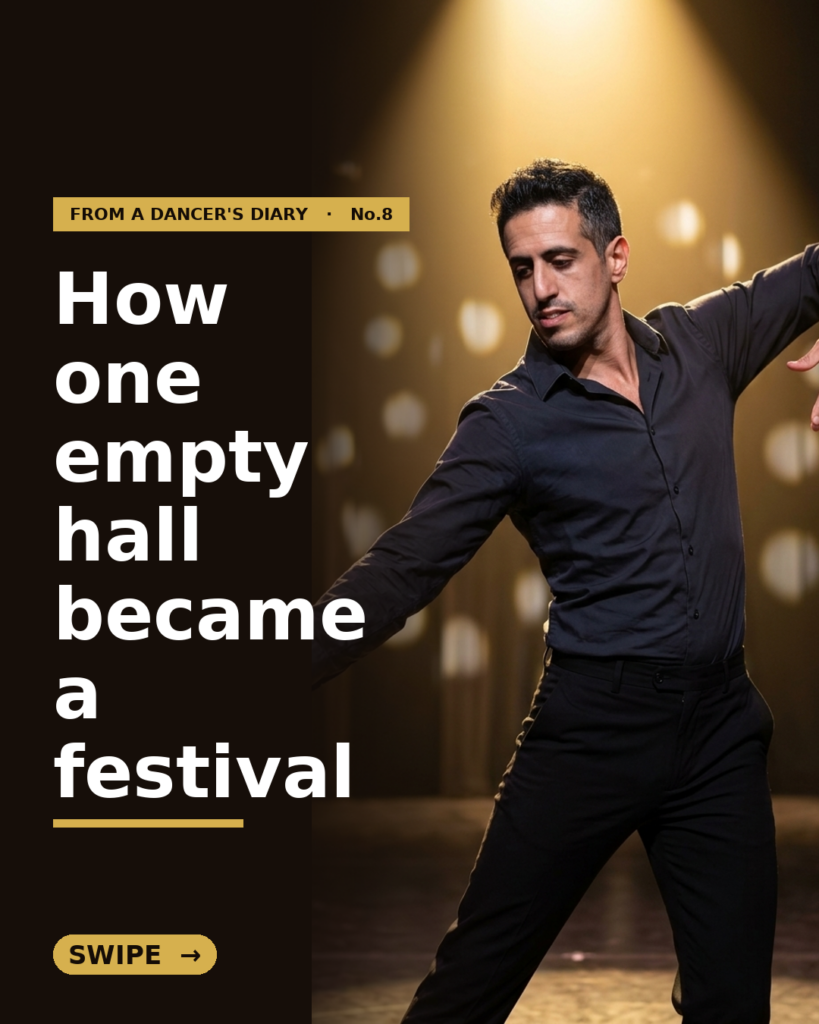
When I started organizing UNO Festival to unite the Latin dance community across northern Israel, our very first edition wasn't polished. We had a modest venue, a small lineup, and I personally wasn't sure enough people would show up to justify it. I remember standing backstage before doors opened, thinking: we are not ready for this. But "ready" was never coming. We opened anyway, welcomed just over 150 dancers that first year, and by our third edition it had tripled — because the community showed up for something real and unfinished rather than waiting for something flawless and delayed.
Three Things I Tell Every First-Timer
- Ask early in the night. The first dance is always the hardest; asking during the first thirty minutes, before your nerves compound, makes every dance after it easier.
- Pick a generous partner first. Ask someone experienced — they will meet you where you are, adjust their frame, and make the exchange feel safe rather than tested.
- Separate the skill from the courage. Your footwork will keep improving for years. The courage to step in is a different muscle — and it only grows by being used, not by being postponed until you "deserve" it.
- Let imperfection be the point. A slightly missed turn is forgettable. A missed dance you never took is the one you'll remember.
Back to Noa
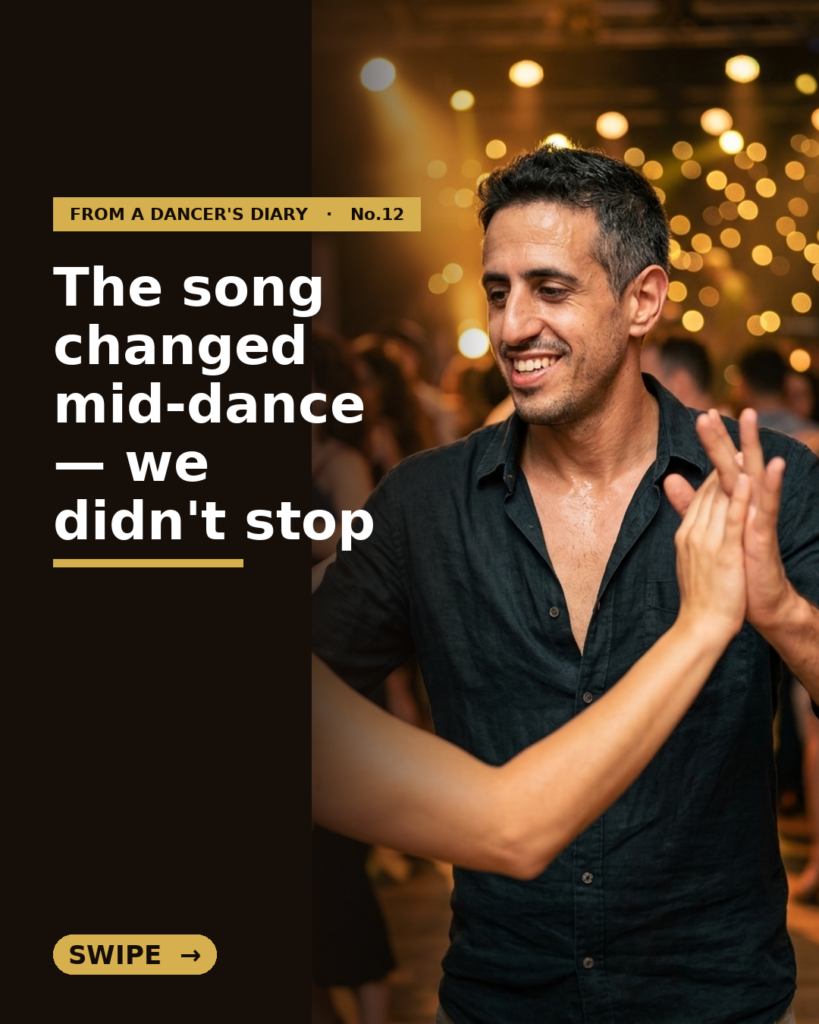
She danced that one song. Missed a turn, laughed about it, and stayed for four more. Three months later she led the opening routine at one of our socials. What changed wasn't her technique — it was the night she decided that "not ready" and "not now" don't have to mean the same thing.
That's the lesson the floor keeps teaching me, class after class, festival after festival: courage isn't the absence of nerves. It's stepping in while they're still there.
If you've been standing at the edge of your own floor — literal or otherwise — come find us. We teach beginner courses and run a warm weekly social right at the Rosh Pina community centre, where your first dance can happen exactly when you decide it will. Reach out on Instagram @cyber.dance.il, call +972-50-2020086, or join us here: https://edu.cyber-school.co.il/dance/.
Want to dance? Cyber Dance — a Latin dance school in Rosh Pina, Israel. Workshops & courses for every level · +972-50-2020086 · join here · IG @cyber.dance.il.